Dental fillings at mydentist
Struggling with a cavity or chipped tooth? You may need a filling
Fillings are one of the most common dental procedures. Typically, your dentist will remove the decayed or damaged portion of your tooth and fill the cavity with the most suitable filling material. With a consistent oral health routine and good care, a filling can last for many years.
Without treatment, a cavity or chipped tooth can lead to toothache, bad breath, infection or even loss of your teeth. Cavities can get larger over time, so the sooner your dentist can treat them, the less likely you are to need significant restorative work.
According to the NHS, the most common type of fillings for back teeth are amalgam (silver) fillings. However, for more visible areas of the mouth, your clinician may recommend composite (tooth-coloured) fillings, which closely match the colour of your natural teeth.
Did you know?
Amalgam (silver-coloured) fillings have been used for over 150 years!
When might I need a filling?
You may need a filling if you're suffering from:
- Tooth decay or damage to the structure of your tooth.
- Chipped teeth due to injury or trauma.
- Worn-down teeth from grinding or brushing aggressively.
How will I know if I need a filling?
The best way to know whether you need a filling is to attend regular dental check-ups. When you visit your mydentist practice, your clinician will examine your teeth and let you know if there are any areas of concern.
If you experience any of the following, you should contact your mydentist practice and make an appointment without delay:
- A persistent toothache
- Pain when biting down
- Sensitivity to hot or cold food and drinks
If you think you may need a filling or are experiencing any of the above symptoms, make an appointment to see your dentist as soon as possible, even if you are not due for a check-up.
What types of fillings are there?
There are several types of fillings available. The right option for you will depend on factors such as how much of the tooth is affected and where the filling is needed. Your dentist will explain the choices and help you decide what’s most suitable before any treatment goes ahead.
Amalgam (silver)
Amalgam fillings are made from a combination of metals, including mercery, silver, tin and copper. They are strong and hard-wearing, which makes them a good option for back teeth that do most of the chewing. With good oral care, they can last for many years. Some patients prefer other options because of their silver colour. Amalgam fillings are available on the NHS and privately.
Composite (tooth-coloured)
Composite fillings, sometimes called white fillings, are designed to closely match the natural colour of your teeth. They are made from a resin mixed with fine glass and ceramic particles, creating a natural-looking result that blends in well, especially for visible teeth. Composite fillings are durable but may not last as long as amalgam in areas of heavy biting. They are usually provided privately, unless your dentist feels they are clinically necessary.
Glass ionomer
Glass ionomer fillings are tooth-coloured and made using powdered glass. They bond chemically to the tooth and can release fluoride, which helps protect against further decay. They are not as strong as other materials, so they are more commonly used for children’s teeth, temporary fillings, or areas that are not used for biting.
Inlays and overlays (including ceramic)
If a standard filling is not suitable, your dentist may recommend an inlay or overlay (sometimes called an onlay). These are used for larger areas of damage, most often in back teeth.
- Inlays fit inside the damaged area of the tooth.
- Overlays cover and rebuild part of the tooth’s surface.
They can be made from metal, composite, or ceramic (such as porcelain). Ceramic options are strong and can be closely matched to your natural tooth colour, making them a popular choice where appearance is important.
A note on deeper cavities
If decay reaches deep into the tooth or affects the nerve, your dentist may recommend root canal treatment to save the tooth. You can learn more about root canal treatment here.
Filling results
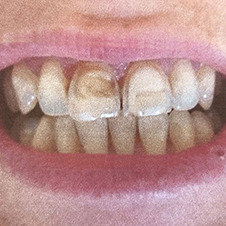 Before
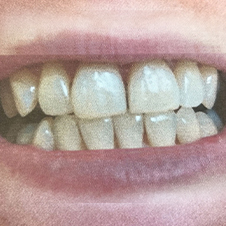 After
After
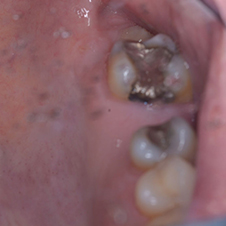 Before
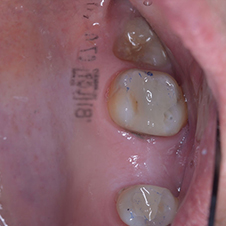 After
After
Have you thought about?
Regain confidence in your smile with options available to restore your teeth.
There are several treatments available for replacing missing teeth including crowns or inlays and onlays.


Fillings FAQs
Which is the most natural looking filling?
If you want your fillings to blend in seamlessly with your natural tooth colour, then a tooth-coloured filling from composite is the way to go. These fillings are a great way to correct dental flaws and give you a smile you can be proud of. Plus, they bond to your teeth to prevent breakages, and they're just as safe as silver fillings.
Are amalgam fillings better?
Amalgam fillings are a popular choice, well-known for their durability, but if you're not a fan of the silver look, a tooth-coloured composite filling might be a better option. With advances in composite materials, tooth-coloured fillings can last just as long as amalgam fillings, although the longevity of your filling will depend on where it's located in your mouth and how much pressure your teeth put on it when you bite.
What happens if my filling falls out?
No filling is indestructible. They can fall out or crack, especially if decay starts to develop around them. But don't worry! In most cases, it's a simple process to repair or replace your fillings with either the same or a similar material.
Start your tooth filling journey with mydentist today
Dental fillings are a simple way to restore the structure of your tooth and bring back your smile. Ready to say goodbye to cavities and hello to a dazzling smile?
Payment options available
We will work with you to ensure that your treatment plan suits your needs as best as possible. You’ll have access to a choice of finance options, such as monthly payments, to work around your other financial commitments. You can finally get the smile of your dreams without having to choose between quality and affordability.